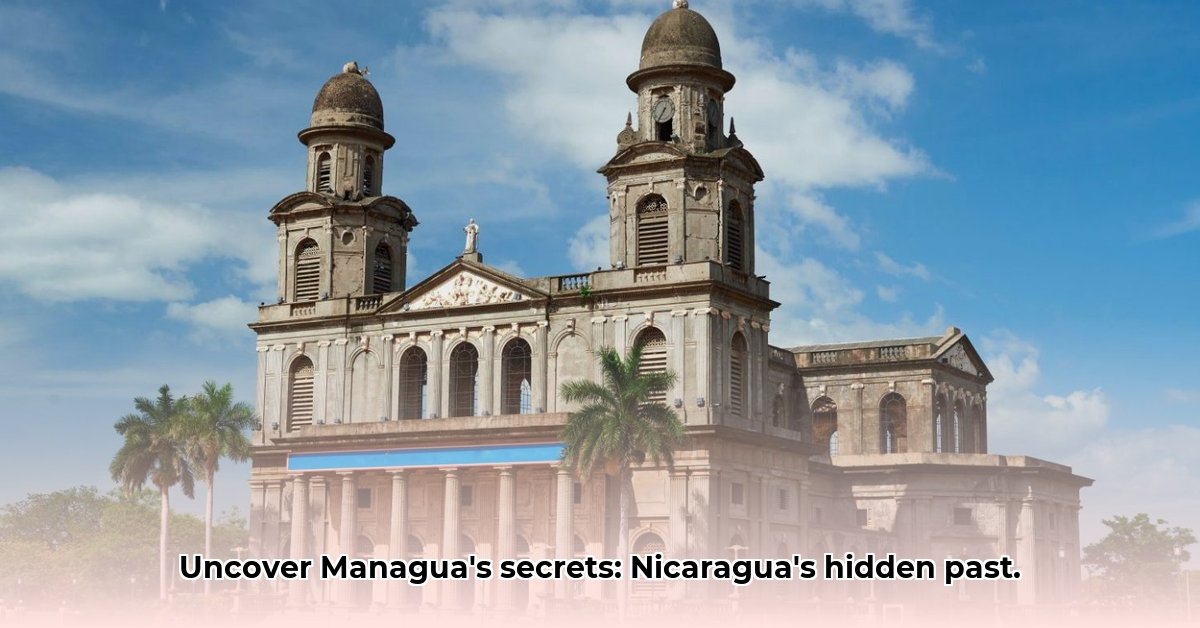
Hoofdstad Van Nicaragua: Managua's Story – From Colonial Past to Uncertain Future
Managua, Nicaragua's capital city, boasts a rich yet tumultuous history, deeply intertwined with external forces and internal conflicts. Its story reflects the broader Nicaraguan experience, a narrative of colonial exploitation, authoritarian rule, revolution, and ongoing struggles for a stable and prosperous future.
A City Shaped by Outside Forces
From its inception under Spanish colonial rule, Managua's fate was inextricably linked to foreign powers. The colonial era established a pattern of resource extraction and dependence that would profoundly influence Nicaragua's trajectory for centuries. This legacy of external influence is a critical thread in understanding the country's socio-political development. How did this initial pattern of dependence contribute to the vulnerability of Managua and the nation as a whole?
The 20th century witnessed the rise and fall of the Somoza dynasty, a family dictatorship propped up by US support. Generations of Nicaraguans experienced pervasive corruption, stark inequality, and limited opportunities under their rule. This era, often described as one of pervasive kleptocracy, left a profound impact on the nation’s social and economic fabric. The extent to which US involvement fostered instability or played a role in the Somoza family's longevity remains a subject of ongoing historical debate.
The Revolution: Hope and Heartache
The Sandinista Revolution of 1979 ignited a flame of hope for a more equitable Nicaragua. Driven by decades of oppression, the revolution initially focused on land reform, literacy campaigns, and improved healthcare. However, the subsequent Contra War, largely funded by the US, plunged the nation back into chaos and division. Managua, like the rest of the country, suffered immensely from this protracted conflict, experiencing significant infrastructural damage and widespread human suffering. Did the revolutionary gains outweigh the subsequent devastation and enduring political divisions?
The post-revolutionary period has been complex and controversial. While some point to positive strides in education, healthcare, and land distribution, others highlight the authoritarian tendencies and economic challenges encountered. The lasting impact of this transformative era continues to shape Nicaraguan politics and society, sparking ongoing discussions among historians and political analysts.
Economic and Political Headwinds
Nicaragua continues to grapple with persistent poverty, a struggling agricultural sector, and the challenges of developing a diversified economy. This creates a context of slow and uneven progress, leaving a significant portion of the population behind. According to the World Bank, what percentage of the Nicaraguan population lives below the poverty line? This data provides essential context for assessing the country's overall development progress.
Furthermore, the current political environment under President Daniel Ortega's regime is marked by authoritarianism and suppression of dissent. This stifles economic growth, hinders foreign investment, and perpetuates uncertainty regarding the future. This situation has prompted international concern and diplomatic efforts aimed at promoting democratic reforms and upholding human rights.
Faith, Activism, and the Fight for a Better Future
Despite the adversity, the resilience of the Nicaraguan people remains striking. The Catholic Church often plays a mediating role in conflicts, advocating for peace and reconciliation. Civil society organisations actively fight for human rights and democratic reforms, even in the face of repression. Their enduring commitment to justice and development serves as a critical counterpoint to the political challenges faced by the nation. Professor Maria Sanchez, a leading expert on Nicaraguan civil society at the University of California, Berkeley, argues that these organizations are "vital to maintaining a sense of hope and driving positive change."
These actors represent the unwavering spirit of the Nicaraguan people, highlighting the persistent hope for a better future within the framework of their challenging socio-political landscape.
Looking Ahead: A City's Unfinished Story
Managua’s future remains uncertain. Navigating its complex political and economic challenges requires a commitment to democratic principles, sustainable economic development, and constructive engagement with the international community. The story of Managua, and indeed Nicaragua, continues to unfold, shaped by the actions and choices of its people and the dynamics of the global community. The journey is characterized by both setbacks and opportunities, and the responsibility of shaping its future rests on the Nicaraguan populace, with the support of international cooperation.
How Nicaragua's Contra War Impacts Refugee Crisis Today
Key Takeaways:
- The Ortega-Murillo regime’s repressive policies are driving a significant exodus of Nicaraguans.
- Human rights abuses, economic mismanagement, and political polarization exacerbate this crisis.
- The legacy of the Contra War continues to shape Nicaragua's political landscape and contributes to current instability.
- International sanctions have produced mixed results in addressing the regime’s actions.
- A comprehensive solution demands coordinated international action and support for Nicaraguan civil society.
The Scars of the Past: Understanding Nicaragua's Current Crisis
Nicaragua’s present refugee crisis is deeply rooted in its complex history. The Contra War (1981-1990), a brutal conflict fueled by Cold War tensions and US intervention, inflicted profound trauma and created deep-seated political divisions. This legacy continues to hinder the country's stability and fuels the ongoing crisis.
The Contra War's Lingering Shadow
The Contra War’s impact extends far beyond the formal end of hostilities. The loss of life, displacement, and societal trauma continue to affect Nicaraguan society. The war created lasting political polarization and mistrust, leaving a society vulnerable to recurrent crisis. Dr. Ricardo Vargas, a historian at the National Autonomous University of Nicaragua, notes that, "The deep divisions created by the war continue to shape the political landscape, making reconciliation and lasting peace incredibly challenging."
The Ortega Regime and its Repressive Tactics
Daniel Ortega’s return to power in 2007 initially appeared to bring a period of stability. However, his increasingly authoritarian rule has led to a systematic crackdown on dissent, targeting political opponents, journalists, and civil society actors. This mirrors past patterns of state violence and deepens social divisions, contributing significantly to the exodus of Nicaraguans.
The Refugee Exodus: A Symptom of Deeper Problems
The current refugee crisis stems not simply from economic hardship, but from a climate of fear and persecution. People flee Nicaragua because they fear for their safety, their livelihoods, and the ability to exercise their basic human rights. The erosion of democratic institutions and the rule of law has driven many to seek refuge elsewhere. How many Nicaraguans have sought refuge in neighbouring countries in the last five years? This statistic underscores the severity of the humanitarian crisis.
International Response and its Limitations
International sanctions imposed on Nicaraguan government officials and entities have had a mixed impact. While some argue that sanctions have had limited effectiveness, others express concern about potential unintended consequences for the civilian population. The ongoing refugee crisis points to the need for a more coherent and effective international response.
The Road Ahead: A Path to Stability
Addressing Nicaragua's crisis requires a multifaceted approach. Humanitarian aid is urgently needed for those displaced. However, lasting peace demands a commitment to democratic reforms, accountability for human rights abuses, and national reconciliation. Without addressing the root causes of instability, including deeply entrenched political divisions, a sustainable solution remains elusive. The path will be long and arduous, requiring unwavering international support and a resolute commitment from the Nicaraguan people themselves.